 Alex Martin
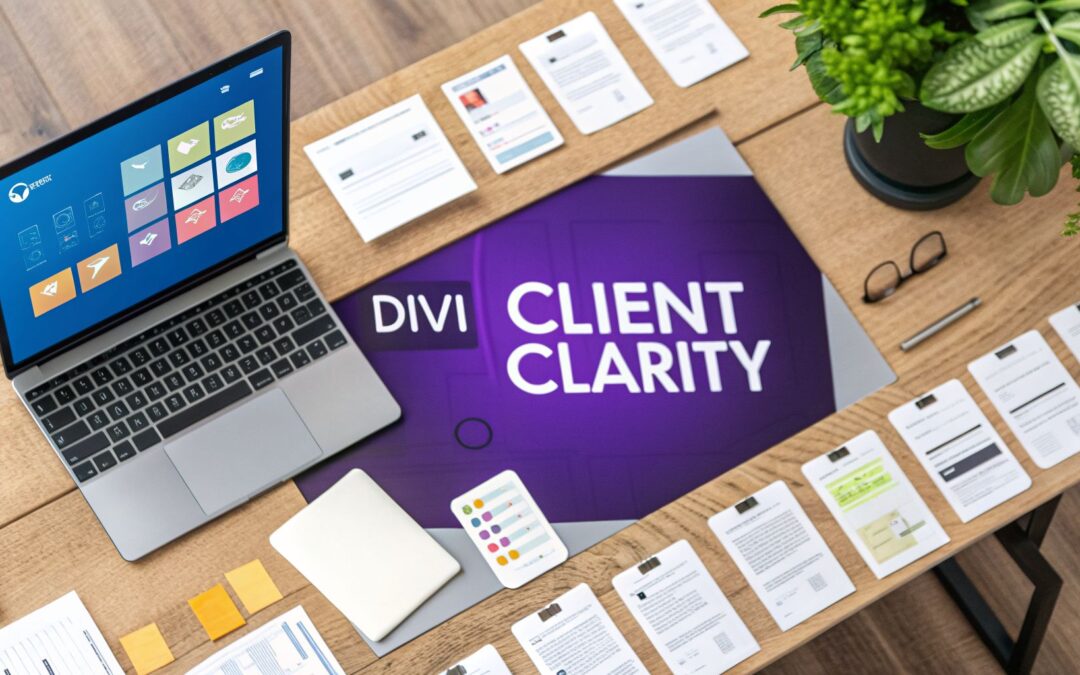
In the world of Divi web design, technical skill is only half the battle. The other half, the one that truly separates successful agencies from struggling ones, is exceptional client communication. Misaligned expectations, scope creep, and endless revision cycles aren't just frustrating; they erode profits and damage relationships. Mastering client communication best practices is the key to preventing these common project pitfalls and building a reputation for excellence.
This guide cuts through the noise to offer a concrete framework for better client interactions. We will explore 10 actionable strategies tailored specifically for Divi professionals, covering everything from initial onboarding and scope definition to structured feedback loops and final project handoffs. You will learn how to set crystal-clear expectations around complex Divi features, implement proactive status updates that build confidence, and manage revision requests without derailing your timeline. For a holistic approach to elevating client interactions, consider strategies to improve business communication across your entire agency.
Ultimately, these aren't just abstract tips; they're a complete system for running smoother projects, delivering superior results, and turning satisfied clients into your biggest advocates. By implementing these best practices, you can transform communication from a recurring challenge into your agency's most powerful asset, ensuring every project is a success for both you and your client.
1. Multi-Channel Communication Strategy
A multi-channel communication strategy establishes a unified approach to client interactions by using multiple platforms based on the message's urgency and the client's preference. This isn't about being available everywhere, all the time; it’s about defining specific channels for specific purposes. This method creates clarity and efficiency, ensuring that both you and your client know exactly where to go for different types of information, which is a cornerstone of effective client communication best practices.

For a Divi professional, this means maintaining consistent messaging whether you're discussing a new module customization, a plugin conflict, or a project milestone. For instance, you might use Slack for quick questions about Divi theme builder layouts, email for sending formal scope of work documents, and a project management tool like Asana to track progress on specific development tasks.
Actionable Tips for Implementation
To put this into practice, start by documenting your client’s preferred communication channels in your CRM or project brief. Then, clearly outline the purpose of each channel and the expected response times.
- Email: Reserve for formal approvals, contracts, and weekly summary reports. Expected Response: Within 24 business hours.
- Project Management Tool (Asana, Trello): Use for all task-related feedback, file sharing, and milestone updates. This keeps all project history in one place.
- Instant Messaging (Slack, Teams): Designate for urgent, quick questions or clarifications that block progress. Expected Response: Within 2-4 business hours.
- Phone/Video Calls (Zoom): Schedule for kickoff meetings, design presentations, and complex strategy discussions.
Key Insight: The goal is to reduce confusion and inbox-digging. By assigning a role to each platform, clients know exactly where to find the latest design mock-up or provide feedback on a new Divi module, and you have a structured record of all interactions.
Understanding the specific etiquette for each platform is also vital. Implementing effective multi-channel communication involves understanding the nuances of each platform, including SMS, for which these 10 SMS marketing best practices can be invaluable. This structured approach prevents scope creep and ensures every piece of communication is intentional and recorded appropriately.
2. Proactive Status Updates and Progress Reporting
Proactive status updates involve sending regularly scheduled, anticipated communication to inform clients of project progress, upcoming milestones, and potential issues before they ask. Instead of reacting to client inquiries, you take the lead by providing unsolicited updates on Divi customizations, plugin configurations, and overall timelines. This approach builds trust and confidence, positioning you as a reliable partner and is a key element of strong client communication best practices.

For a Divi professional, this means moving beyond simple email check-ins. You could send a weekly video walkthrough demonstrating new Divi Areas Pro popup implementations or provide bi-weekly reports for a WooCommerce project showing conversion metrics alongside pending customizations. Another great example is using Loom to record a quick screen capture of a new Divi page build, explaining your design decisions and outlining the next steps for client review.
Actionable Tips for Implementation
To make this a habit, schedule your update communications at consistent intervals, like every Friday afternoon. This sets a clear expectation for when clients will hear from you, reducing their need to check in.
- Create a Simple Template: Structure your updates consistently: What was completed, what's in progress, what’s next, and any blockers.
- Show, Don't Just Tell: Use screen recording tools like Loom or Screencastify to visually demonstrate Divi customizations. A short video explaining a new flyout menu is more effective than a long paragraph.
- Include Measurable Metrics: Quantify your progress. Mention pages completed, performance score improvements after optimizations, or specific features implemented.
- Always Define Next Steps: Conclude every update by stating what comes next and providing the deadline for your subsequent report.
Key Insight: Proactive reporting shifts the communication dynamic from reactive to strategic. By preemptively answering the questions your client is likely thinking about, you minimize uncertainty, prevent misunderstandings, and keep the project’s momentum moving forward smoothly.
This practice, popularized by agile methodologies and tools like Basecamp, is about maintaining project clarity through asynchronous updates. It ensures your client feels informed and involved without needing constant meetings, which is crucial for managing Divi projects efficiently and maintaining a positive working relationship.
3. Clear Expectation Setting and Scope Definition
Clear expectation setting and scope definition involve creating explicit, documented agreements at the project's start. This foundational practice, rooted in project management principles like PMBOK and Agile, establishes exactly what will be delivered, by when, and within what constraints. For Divi professionals, this means translating a client’s vision into concrete deliverables, preventing the dreaded "scope creep" and ensuring both parties share a unified understanding of the project's boundaries, a vital component of effective client communication best practices.
This practice is crucial when working with powerful but finite tools like the Divi theme and its extensions. A scope document might detail that you will build three popups using Divi Areas Pro, but any custom JavaScript triggers beyond the plugin's native capabilities will require a separate change order. For instance, a freelancer could specify "3 rounds of revisions to homepage popup designs" and "Integration with WooCommerce cart abandonment triggers" as included line items, leaving no room for ambiguity.
Actionable Tips for Implementation
To implement this effectively, create a Divi-specific scope template that becomes a standard part of your process. This document should be reviewed and signed by the client before any development work begins.
- Define Deliverables: List the exact number of pages, Divi layouts, and specific plugin features to be configured (e.g., five dynamic content injection blocks with Divi Areas Pro, one mega menu).
- Clarify Revisions: Move away from vague terms. Instead of "unlimited revisions," state "Up to 2 major revision rounds per page design."
- List Exclusions: Explicitly state what is not included. Examples include "custom plugin development," "advanced performance optimization," or "third-party app integrations beyond those listed."
- Set Technical Boundaries: Include specifications like "Responsive design for mobile/tablet/desktop, compatible with Divi 4.x and higher" or note that "Complex animations are subject to performance review and may be simplified."
- Establish a Change Process: Create a simple change request form for any work requested outside the original scope, clearly documenting the impact on the project timeline and budget.
Key Insight: A detailed Statement of Work (SOW) is your single source of truth. It protects you from unpaid work and gives the client confidence that they know exactly what they are getting. It transforms assumptions into agreements.
This process is a cornerstone of a strong client relationship, and you can find more details on how to integrate it within a structured system in these client onboarding best practices. By defining the sandbox you're playing in from day one, you ensure a smoother project and a happier client.
4. Client Education and Empowerment Communication
Client education and empowerment communication is a proactive strategy focused on teaching clients how to manage their own websites. Instead of fostering dependency, this approach equips them with the knowledge and tools to handle basic updates, content changes, and simple troubleshooting. This practice builds client confidence and autonomy, making it a vital component of modern client communication best practices.
For a Divi professional, this means creating resources that demystify the Divi Builder and the broader WordPress ecosystem for your clients. Rather than fielding constant requests to swap an image or update a headline, you provide a clear, easy-to-follow guide showing them exactly how to do it. This might be a custom video walkthrough of their specific Divi backend, a PDF guide on adding new WooCommerce products, or a dedicated tutorial library.
Actionable Tips for Implementation
Start by identifying the most common, repetitive tasks your clients ask for and build your educational resources around them. The goal is to anticipate their needs and provide answers before they have to ask.
- Create Role-Based Guides: Provide documentation tailored to user roles. An administrator gets the full guide on Divi theme options and plugin updates, while a "Content Editor" role receives a simpler guide focused only on editing text and images on specific pages.
- Record Task-Specific Videos: Use tools like Loom to record short (under 5 minutes) video tutorials for distinct tasks, such as "How to Edit Your Popup Content in Divi Areas Pro" or "How to Add a New Blog Post."
- Build a 'Quick Reference' PDF: Create a branded, one-page document that covers essential actions like resetting a password, updating footer contact information, and adding a new team member.
- Host a Training Handoff Call: Schedule a live, interactive session upon project completion to walk the client through their new site, answer questions in real-time, and demonstrate key features.
Key Insight: Empowering clients doesn't mean you'll lose retainer work; it means you'll spend less time on low-value, repetitive tasks and more time on high-value strategic initiatives. Educated clients are better partners who appreciate your expertise and are more likely to approve new projects.
This approach, popularized by organizations like Apple and Slack that prioritize user self-service, transforms the client relationship from a simple service provider to a trusted expert and partner. By following the educational models seen in the Divimode tutorial library, you can create a scalable system that reduces your support burden and increases client satisfaction.
5. Visual and Video-First Communication
A visual and video-first communication approach prioritizes showing over telling. It uses screenshots, screen recordings, and design mockups to explain complex topics, demonstrate functionality, and gather feedback. This method is exceptionally effective for Divi professionals because so much of the work is visual; trying to describe a layout shift, animation effect, or module setting in words can lead to long, confusing email chains. This practice is a cornerstone of modern client communication best practices.

For a Divi agency, this means swapping a long paragraph explaining a new popup's trigger conditions for a 90-second Loom video showing exactly how it works. Instead of describing a WooCommerce product page redesign in an email, you can send an annotated before-and-after screenshot. This shift saves time, reduces ambiguity, and gives clients a clear, concrete understanding of the project's progress and features.
Actionable Tips for Implementation
To make this a standard part of your workflow, integrate tools that make visual communication fast and easy. The key is to make creating a video or annotating a screenshot quicker than writing a detailed email.
- Screen Recordings (Loom, Descript): Use for weekly "visual update" videos instead of written reports. Record quick demos showing how a new Divi feature works, like dynamic content injection or a custom mega menu.
- Annotated Screenshots (Markup, Snagit): For design feedback or bug reports, use arrows, boxes, and text to point out specific elements. This is perfect for explaining a proposed change to a Divi theme builder layout.
- Interactive Mockups (Figma, Adobe XD): Allow clients to leave comments directly on design files. This keeps all visual feedback contextual and in one place, avoiding confusion.
- Short GIFs (GIPHY Capture, ScreenToGif): Create 5-10 second animations to demonstrate a specific interaction, like a popup's entrance effect or a button's hover state, for quick approval.
Key Insight: Visual communication isn't about creating polished, high-production videos. It's about using quick, informal recordings and markups to convey information with maximum clarity and minimum effort. A two-minute screen recording can resolve an issue that would otherwise take five emails to explain.
By popularizing asynchronous video and visual collaboration, platforms like Loom and Figma have made this approach more accessible than ever. Establishing a consistent visual style with the same tools and annotation colors can further professionalize your updates. Host your videos on familiar platforms like Google Drive or Vimeo to ensure clients can access them without friction.
6. Structured Feedback Loops and Revision Processes
Structured feedback loops and revision processes establish a clear, documented system for how clients provide feedback and how you handle revisions. This approach prevents the dreaded cycle of endless changes by defining how feedback is collected, when it's due, and how many revision rounds are included in the scope. This creates predictability and efficiency, ensuring that client input is constructive and that the project moves forward, making it a vital part of client communication best practices.
For a Divi professional, this means no more ambiguous "make it pop" emails. Instead, you might use a standardized form that requires a client to specify the page, element, and desired outcome for a Divi module adjustment. This structure converts vague requests into actionable tasks, keeping the project on schedule and within budget while protecting your scope from creep.
Actionable Tips for Implementation
To implement this, define your feedback process during the project kickoff and include it in your contract. Set clear expectations about the number of revision rounds and the format for submitting feedback.
- Create a Feedback Form: Use a tool like Google Forms or a dedicated client portal to collect feedback. Include fields for the page/section, a description of the issue, a screenshot or reference, and priority level.
- Batch Revisions: Instead of making changes as they come in, group feedback into scheduled revision sprints. For example, feedback is due Monday, revisions are completed and sent for review by Thursday.
- Use Collaborative Tools: For design feedback, use the commenting features in Figma or annotations on a shared PDF. This keeps all comments tied directly to the visual element, eliminating confusion from long email chains.
- Document Everything: Always confirm your understanding of the feedback in writing before starting work. After revisions are complete, get a formal sign-off to lock in the approved version and prevent backtracking.
Key Insight: The goal is to transform feedback from a chaotic, open-ended conversation into a structured, manageable workflow. By defining the "how" and "when" of revisions, you maintain control over the project timeline and prevent scope creep, which ultimately leads to a smoother process and higher client satisfaction.
This organized approach not only improves project efficiency but also provides clear data points for improvement. Tracking the quality and volume of feedback can be a great way of measuring client satisfaction and identifying areas where your initial designs or communication can be clearer.
7. Transparent Cost and Timeline Communication
Transparent cost and timeline communication means providing clients with clear, honest information about project financials and schedules from the very beginning. This practice involves breaking down estimates, explaining how scope changes affect the budget and deadlines, and proactively managing expectations. It eliminates surprise invoices and missed deadlines, building trust and empowering clients to make informed decisions. This approach is a critical client communication best practice that turns financial discussions into collaborative checkpoints rather than confrontations.
For a Divi agency, this could mean quoting a project with line-item costs, such as "Divi Areas Pro popup setup and animation: 8 hours @ $75/hour = $600." When a client requests changes, you would present an impact analysis: "Adding 3 additional popup variations will require an additional 12 hours, adding $1,200 to the total cost and extending the final delivery date."
Actionable Tips for Implementation
To make financial communication a strength, integrate cost and time tracking directly into your project workflow. Start by creating standardized pricing for common Divi tasks to produce faster, more consistent estimates.
- Itemize Everything: Instead of a single line item like "Divi Customization – $2,000," break down invoices by deliverable. For example: "WooCommerce Integration: $1,500," "Popup Implementation: $800," and "QA Testing: $300."
- Establish a Change Request Protocol: Create a formal process where any requested change is documented with its specific impact on cost and timeline. This document requires client sign-off before work begins.
- Define What's Not Included: Clearly state exclusions in your estimates, such as "This quote does not include third-party plugin license fees or tablet-specific testing."
- Provide Proactive Updates: Use a project management tool like Asana to track hours against estimates. If you foresee a delay, notify the client at least one week in advance with a revised plan. For ongoing retainers, send monthly reports showing budget utilization.
Key Insight: Financial transparency isn't just about quoting prices; it's about continuously educating the client on the value and effort associated with each part of the project. By tying every dollar and every hour to a specific outcome, you prevent scope creep and ensure both parties are aligned on project priorities.
8. Responsive and Empathetic Support Communication
Responsive and empathetic support communication transforms technical troubleshooting from a transactional exchange into a powerful relationship-building opportunity. Instead of simply fixing a problem, this approach focuses on acknowledging the client's frustration, demonstrating genuine care, and providing clear, educational resolutions. This method builds immense trust and reinforces your value, making it one of the most critical client communication best practices.
For a Divi professional, this means addressing a bug not just with code, but with compassion. When a client reports that their meticulously designed Divi Areas Pro popup isn't triggering correctly on a live site, an empathetic response validates their stress before offering a solution. This approach, popularized by the customer-centric cultures at companies like Zappos and Apple, shows clients you are a partner invested in their success, not just a service provider fixing a technical issue.
Actionable Tips for Implementation
To integrate this into your workflow, create a standard procedure for all support requests that prioritizes empathy and clarity. The goal is to make the client feel heard, understood, and confident that a solution is underway.
- Acknowledge and Validate: Always start your response by acknowledging the client's situation. Simple phrases like, "I understand how frustrating it is when the mega menu isn't displaying correctly," or "I can see why that WooCommerce error is a major concern for your store," go a long way.
- Explain the 'Why': Don't just provide the fix. Briefly explain why the issue occurred, such as a caching conflict or a recent plugin update. This educates the client and helps prevent future problems. For example, "This error is happening due to a caching issue with your server, which is completely solvable."
- Set Clear Expectations: Provide a specific timeframe for your response or a resolution. Stick to it religiously. "I am prioritizing this now and will have a solution for you within the next 2 hours."
- Go the Extra Mile: Whenever possible, offer to implement a quick fix yourself rather than sending instructions. If the issue is visual, record a short video walkthrough using a tool like Loom to show the client exactly what you did and how they can manage it in the future.
Key Insight: Empathetic support is a proactive investment in client retention. When you handle a stressful situation with grace and expertise, you turn a negative experience into a positive one, proving your reliability when it matters most. This is how you create loyal clients who see you as an indispensable part of their team.
9. Alignment Meetings and Requirements Clarification Sessions
Alignment meetings are regularly scheduled, synchronous conversations designed to clarify requirements, align on project vision, and surface hidden needs. Unlike asynchronous updates, these live sessions build rapport and prevent the costly misunderstandings that often arise from email chains. This structured dialogue is a critical component of client communication best practices, ensuring everyone is on the same page before significant development work begins.
For a Divi professional, this means proactively scheduling calls to walk through complex features. For a WooCommerce and Divi integration, an alignment meeting is where you would screen-share the product page layout, discuss dynamic content needs for pricing and stock, and agree on the mobile responsive approach for the entire checkout process. This avoids building something based on an assumption, only to have to rebuild it later.
Actionable Tips for Implementation
To make these meetings effective, establish a predictable cadence and a clear purpose from the project's start. Send an agenda 24 hours in advance so clients can prepare, and always begin the meeting by reviewing their goals, not just your task list.
- Set a Cadence: Schedule recurring meetings at the outset, such as weekly calls for the first month, then bi-weekly. This sets the expectation for consistent collaboration.
- Use Visuals: Always screen-share when discussing visual elements. Walk clients through Divi page layouts, popup designs in Divi Areas Pro, or proposed mega menu structures in real-time.
- Document Everything: Take detailed notes and share a summary within 24 hours. A simple "Here's what we discussed, here's what I'm implementing, and here's what needs your approval" email creates an official record.
- Confirm Decisions Verbally: End discussions with a confirmation, like, "Just to be clear, we are moving forward with the scroll-triggered fly-in animation for the three popups. Is that correct?"
Key Insight: The primary goal of these meetings is to turn ambiguity into clarity. By proactively discussing complex features like Divi conditional logic or advanced styling, you move from assumption-based work to confirmed, client-approved direction, saving countless hours in revisions.
Keeping meetings focused and brief, typically 30-60 minutes, respects everyone's time and maintains high engagement. To master this, you can learn more by reading about an introduction to effective meeting strategies. This approach transforms meetings from a necessary evil into a powerful tool for project success.
10. Stakeholder Mapping and Communication Planning
Stakeholder mapping involves identifying all key individuals within a client's organization, understanding their roles and influence, and creating a tailored communication plan. It moves beyond a single point of contact to recognize that different people have different concerns, needs, and levels of authority. This practice is a cornerstone of effective client communication best practices, as it ensures the right messages reach the right people, preventing bottlenecks and misunderstandings.
For a Divi agency, a WooCommerce project might involve multiple stakeholders. The Marketing Manager cares about the conversion impact of a new popup, the IT lead focuses on API integrations with Divi Areas Pro, and the CEO is primarily concerned with budget and timeline. Each requires different information and a distinct communication style to feel informed and confident in the project's direction.
Actionable Tips for Implementation
Begin by creating a stakeholder map during the project kickoff. List everyone involved, their role, their primary interests in the project, and their preferred communication methods. This document becomes your guide for all future interactions.
- Identify the Decision Authority: Early on, determine who has the final say on design, budget, scope, and technical features. Make this clear to everyone on the project team.
- Create Role-Based Communication Tracks: Develop different reporting styles. For instance, send weekly visual progress updates to the design stakeholder, detailed technical summaries for the development stakeholder, and high-level executive reports for the budget authority.
- Establish Clear Contact Points: Ensure stakeholders know who to contact with specific questions. Technical queries go to your developer, while design feedback is directed to the lead designer.
- Use Tailored Reporting: Respect stakeholders’ time by providing information in their preferred format. A one-page summary is ideal for a busy executive, whereas a granular list of tickets is better for a technical team.
Key Insight: The goal is to prevent a key decision-maker from being blindsided by a detail they weren't aware of. A well-maintained stakeholder map ensures all parties are aligned, which dramatically reduces the risk of project delays and client frustration.
Stakeholder analysis techniques, as outlined in project management frameworks like PMBOK, provide a structured approach to this process. By documenting who needs to be informed, consulted, or responsible, you create a clear accountability structure. This proactive planning ensures that communication is not just frequent but also relevant and effective for every individual involved.
Top 10 Client Communication Best Practices Comparison
| Approach | 🔄 Implementation Complexity | ⚡ Resource Requirements | ⭐ Expected Effectiveness | 📊 Expected Outcomes | 💡 Ideal Use Cases |
|---|---|---|---|---|---|
| Multi-Channel Communication Strategy | Medium–High — coordinating platforms, protocols, escalation rules | Medium — multiple tools, CRM entries, integrations | ⭐⭐⭐⭐ — high coverage for varied preferences | Fewer missed messages, improved response times, consolidated audit trails | Clients with multiple stakeholders or preferred-channel diversity |
| Proactive Status Updates and Progress Reporting | Medium — regular schedule and templates required | Medium — screen recording tools, reporting templates | ⭐⭐⭐⭐ — strong for confidence and transparency | Early issue detection, reduced ad-hoc inquiries, clarified progress | Ongoing builds, visual-heavy Divi customizations, sprint-based work |
| Clear Expectation Setting and Scope Definition | Medium — time‑intensive upfront scoping and SOWs | Low–Medium — templates, documentation, sign‑off workflows | ⭐⭐⭐⭐⭐ — very effective at preventing disputes | Minimized scope creep, accurate estimates, contractual clarity | Fixed-price projects, ambiguous requirements, new client engagements |
| Client Education and Empowerment Communication | Medium — produce tutorials and role-based docs | Medium–High — video creation, knowledge base, training sessions | ⭐⭐⭐⭐ — high for long-term self-sufficiency | Reduced support load, higher client competence and retention | Handoffs, clients preferring self-service, long-term maintenance plans |
| Visual and Video-First Communication | Medium — recording/editing and captioning workflow | Medium — Loom/recorders, hosting, editing tools | ⭐⭐⭐⭐ — very effective for visual clarity | Faster comprehension, fewer revision cycles, clearer approvals | Design reviews, interactive feature demos (popups, animations) |
| Structured Feedback Loops and Revision Processes | Medium — forms, deadlines, version control needed | Low–Medium — feedback forms, PM tool rules | ⭐⭐⭐⭐ — effective at keeping scope and timelines | More actionable feedback, fewer endless iterations, approval trails | Iterative design projects, multi-review workflows |
| Transparent Cost and Timeline Communication | Medium — requires disciplined tracking and change process | Low–Medium — PM + billing tools, estimation templates | ⭐⭐⭐⭐ — builds trust when practiced consistently | Fewer billing disputes, informed client decisions, better profitability | Budget-sensitive clients, change-order prone projects |
| Responsive and Empathetic Support Communication | Low–Medium — SLA and tone training required | Medium — support staff, KB, escalation playbooks | ⭐⭐⭐⭐⭐ — highest impact on relationships and retention | Increased loyalty, reduced churn, positive referrals | Post-launch support, urgent incident responses, high-value clients |
| Alignment Meetings and Requirements Clarification Sessions | Medium–High — scheduling, facilitation, follow-up documentation | Medium — meeting time, mockups, collaboration tools | ⭐⭐⭐⭐ — effective for complex or ambiguous work | Clear requirements, reduced rework, stronger stakeholder buy-in | Kickoffs, complex visual/technical clarifications, cross-team planning |
| Stakeholder Mapping and Communication Planning | High — research, tailored messaging, ongoing updates | Medium–High — workshops, documentation, tailored reports | ⭐⭐⭐⭐ — critical for multi-decision-maker environments | Faster approvals, fewer political blockers, aligned messaging | Enterprise or multi-department projects with many approvers |
Turn Communication Into Your Competitive Advantage
The journey through these ten client communication best practices reveals a powerful truth: excellence in communication is not an optional add-on but a core component of a successful Divi business. Moving beyond generic advice, we’ve explored concrete systems that transform potential friction points into opportunities for building trust and demonstrating value. It’s about being more than just a designer or developer; it’s about becoming an indispensable partner.
Adopting these strategies is an investment, not an expense. Every structured feedback form you create, every proactive video update you send, and every clear scope document you draft pays dividends. It reduces misunderstandings, minimizes scope creep, and frees up your valuable time to focus on what you do best: creating exceptional digital experiences with Divi. You’ll find yourself spending fewer hours deciphering vague emails and more hours in a state of creative flow.
From Theory to Action: Your Next Steps
The sheer number of practices can feel daunting, but progress begins with a single, manageable step. Don't try to overhaul your entire process overnight. Instead, identify the area causing you the most recurring pain and start there.
- If you struggle with scope creep: Focus on implementing a more robust Clear Expectation Setting and Scope Definition process. Create a detailed project brief template and a formal sign-off procedure before a single line of code is written.
- If feedback is chaotic and endless: Your priority should be building a Structured Feedback Loop. Use a tool like Marker.io or even a well-designed Gravity Form to centralize comments and manage revision rounds effectively.
- If clients seem anxious or disengaged: Implement Proactive Status Updates. Start sending a simple, templated weekly update email or a quick Loom video walkthrough. This small gesture builds immense confidence and keeps the project momentum visible.
Key Insight: The goal isn't to add more administrative tasks to your workflow. The goal is to implement systems that make the work you already do more effective, profitable, and enjoyable. By mastering these client communication best practices, you build a foundation of trust that far outlasts any single project.
The True Value of Well-Designed Communication
Ultimately, your communication process should be as thoughtfully designed as the websites you build. When clients feel heard, informed, and respected, they become more than just customers; they become advocates for your brand. They are the ones who leave glowing testimonials, refer their colleagues without hesitation, and return for future projects because they remember the experience of working with you.
This level of professional service is what separates a struggling freelancer from a thriving agency. It's what justifies premium pricing and creates long-term, profitable relationships. By weaving these client communication best practices into the fabric of your business, you're not just improving project outcomes. You're building a resilient, reputable brand that clients are eager to work with, turning your communication strategy into your most significant competitive advantage.
Ready to put these communication principles into practice directly on your Divi sites? Divimode provides the tools you need to create targeted popups, personalized content, and dynamic previews, making your client interactions more direct and effective. See how you can use Divimode to build a smarter, more responsive client communication workflow today.
More Articles You Will Like